If your business is gaining momentum, this post is for you! Maybe you’ve recently experienced rapid growth, or you’re financially ready to start outsourcing some tasks. This stage can feel overwhelming but remember—this is exactly what you’ve worked so hard for. If you’re here, you’re likely considering email automation as the next step in scaling your business. And for good reason! Email automation can streamline your workflow, save you valuable time, and help you engage with your audience more efficiently.

What is Email Automation?
Email automation simply refers to emails that are automatically sent out based on specific criteria you set for your business. These emails are prewritten and triggered by certain actions, ensuring that the right people receive the right messages at the right time.
There are several benefits to email automation. Not only does it save time and effort, but it also boosts conversions and ensures that your audience receives content tailored to their interests. For example, say a customer shows interest in your online dog training course, they will receive emails specifically about that course rather than unrelated products they aren’t interested in.
The possibilities with email automation really are endless! You can create automated funnels for various purposes, such as:
- New subscribers – A welcome sequence to introduce them to your brand.
- Lead magnets & freebies – Follow-up after someone downloads a free resource.
- Abandoned cart recovery – Encouraging potential customers to complete their purchase.
- Post-purchase follow-ups – Strengthening customer relationships and encouraging repeat sales.
- Re-engagement sequences – Bringing back inactive subscribers.
- Client onboarding – Automating processes for service-based businesses.
What Are Funnels?
One of the most effective ways to structure email automation is by using email funnels. Simply put, an email funnel is a series of carefully crafted emails designed to guide your potential customers through the journey from interest to purchase—ideally turning them into returning customers.
Funnels typically have three stages:
- Top of the Funnel (Awareness) – This is the widest part of the funnel, where you can reach potential customers. Since this stage has the largest audience, it is going to be your greatest opportunity for outreach. The goal at this stage is to get potential customers to join your email list through an opt-in form or landing page.
- Middle of the Funnel (Nurturing) – Once subscribers are on your list, you send targeted emails based on their interests and interactions with your content. This stage builds trust and keeps them engaged.
- Bottom of the Funnel (Conversion) – This is where you focus on converting leads into customers by doing things such as making strategic offers and sharing testimonials.

By setting up well-structured email funnels, you can automate your marketing efforts, nurture leads more effectively, and ultimately increase conversions with minimal effort.
What Could an Email Automation Funnel Look Like?
To better understand how email automation works, let’s walk through a common example. Imagine you offer a free resource for download—such as a checklist, travel guide, or printable. When someone downloads your freebie, it triggers a sequence of automated emails designed to nurture this lead and guide them toward becoming a paying customer.
A typical email funnel for a lead magnet might look like this:
- Email 1 (Immediately after download): A thank-you email with a link to the freebie.
- Email 2 (2–3 days later): Additional value, such as a related blog post or tips to complement the freebie (maybe a blog post that goes along with that free travel guide they purchased.)
- Email 3 (4–5 days later): A soft introduction to a low-cost product or service that aligns with their interests.
The best part? Once set up, this process runs on autopilot—literally turning leads into customers without any additional effort on your part. Plus, email automation allows for customization, meaning you can tailor each sequence to fit your specific business needs.
Easy Ways to Create Email Marketing Funnels
Now, you might be thinking: This sounds amazing, but how do I set this up? It seems like a huge undertaking, and my time is limited.
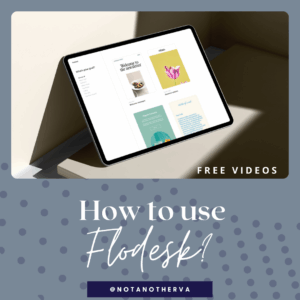
The good news? There are several user-friendly tools that make setting up email automation simple and efficient even for beginners! Two of my favorites are Flodesk and Kit (formerly ConvertKit). Below are some of the highlights of each program. If you are interested in a more in-depth comparison, be sure to check out this post comparing Flodesk and Kit.
Flodesk:
- Best for visually appealing, stylish email designs.
- Easy to use, even for beginners.
- Allows branding customization (brand colors, logos, fonts).
- Includes landing pages for building an email list without needing a full website.
- 30-day free trial and simple analytics for tracking performance.
- Immediate live chat and email customer support
Kit (formerly ConvertKit):
- More integration options for various platforms.
- Multiple pricing plans based on subscriber count.
- Less design-focused but great for straightforward email campaigns.
- Many customization options
- 14- day free trial
- Customer support is good but may vary depending on inquiries
Outsourcing Your Email Automation
If setting up email automation still feels too overwhelming, or if you’d rather focus on what you do best, outsourcing might be the perfect solution. Many professionals specialize in creating and optimizing email funnels, ensuring they are effective and tailored to your business needs.
This happens to be one of our specialties! If you’re looking for expert guidance, we’ve got you covered. Visit our website to learn how we can help drive real results for your business. You can also book a call to receive one on one coaching. Think of it as an investment in your business’s growth.
Final Thoughts
Whether you’re ready to take the next step due to rapid growth, break through a plateau, or scale more efficiently, email automation is a game-changer. By investing in the right tools or outsourcing to an expert, you can save time, engage your audience, and ultimately grow your business.