Many businesses send a quick “thank you for subscribing” email and then don’t send anything else until the next launch or promotion. The problem with this approach is that your audience never gets properly nurtured. They don’t build trust with you, learn about your offers, or understand why they should stay connected to your business. This is exactly why understanding the anatomy of a high-conversion nurture sequence matters so much.
A strong nurture sequence helps turn new subscribers into loyal readers, engaged followers, and eventually paying customers. The best part is that once it is set up, it works automatically in the background.
In this post, I’m going to highlight the importance of a nurture sequence. Additionally, I will also be breaking down the anatomy of a high-conversion nurture sequence using the simple 5 email framework we use. And if you want help setting up your nurture sequence, please get in touch! I’d be happy to help or set it up for you. Click here to book a call today.

Why a Nurture Sequence Matters
When someone joins your email list, they are most engaged when they first subscribe. They signed up for a reason! Maybe they downloaded a freebie, joined your waitlist, or wanted to learn more about your services. This is the perfect opportunity to start building trust.
The goal of a nurture sequence is not to overwhelm people with constant sales emails, but to keep the conversation going. We want to create connections, provide value, and guide subscribers naturally toward the next step.
The anatomy of a high-conversion nurture sequence is really about building trust step-by-step instead of trying to make a sale immediately. This is where automation comes in. Because instead of manually following up with every subscriber, or going silent, your nurture sequence works automatically behind the scenes every single day.
Let’s break down the anatomy of a high-conversion nurture sequence and what each email should accomplish.
Email 1: Welcome & Delivery Email
The first email in your nurture sequence should focus on delivering exactly what you promised. For example, if someone signed up for a free resource, make it extremely easy for them to access it. This email should feel welcoming, helpful, and straightforward.
But this email is also your first impression. Beyond simply delivering the freebie, you want to briefly introduce yourself and your brand. Welcome them by name, and let them know what kind of emails they can expect from you moving forward. It is also a great idea to request that they reply to your email. This can help start a conversation and also protect your sender’s reputation.
This email tends to have one of the highest open rates in your entire sequence, so it is important to make it count!
Email 2: The Value-Add Email
The second email should focus on providing additional value and should be sent shortly after the welcome email, ideally within the next day or two. This is your opportunity to teach something useful, answer a common question, or help solve a problem a lot of your audience is struggling with. Think about the small wins you can help your subscribers achieve early on.
This email helps position you as someone trustworthy and knowledgeable instead of someone who only shows up to sell. When your audience feels like you truly understand their struggles, they are much more likely to stay engaged and continue opening your emails.
Email 3: The Case Study/ Social Proof
In your next email for your nurture sequence, you want to share a client story, case study, customer transformation, or personal example that demonstrates real results. People connect deeply with stories because they help readers picture themselves achieving similar outcomes. You do not need anything overly complicated here. Even a simple before-and-after transformation or referring them to a testimonial page can be powerful. These types of stories build credibility and help subscribers see the value of your offers in a real-world way.
Email 4: The Soft Pitch
By the fourth email, your subscribers should feel more familiar with your business and your personality. It is time to start introducing your products or services and guiding your audience toward the natural next step.
In this email, you really want to explain the solution you provide to your audience. You also want to include a clear and direct Call-to-Action. This is also a great place to encourage replies. Ask a question, invite conversation, encourage subscribers to hit reply, and share something about themselves. Engagement helps improve deliverability and builds stronger relationships with your audience.
Email 5: The Hard Ask
This is the email many business owners avoid, but it is one of the most important parts of a high-conversion nurture sequence. After several days of building trust and providing value, it is now appropriate to make an offer! Your subscribers joined your list because they are interested in solving a problem or achieving a goal. Your offer is simply the next step in helping them do that. The key is making the offer feel natural and aligned with the previous emails in the sequence. Instead of sounding pushy, your sales email should feel helpful and solution-focused. This could be an invitation to book a call, join a membership, purchase a service, or explore one of your offers. Additionally, you may want to have an exclusive offer, such as a limited-time discount or bonus.
Building Your Own High-Conversion Nurture Sequence
One of the best parts of a nurture sequence is that you only have to build it once, but it can continue working for your business over and over again. A nurture sequence becomes a long-term business asset because it works while you are serving clients, spending time with your family, or taking time off.
Instead of relying entirely on live launches or manual follow-up, your automation continues building trust and generating sales every single day. And the best part? It does not need to be overly complicated to work well.
Once you understand the anatomy of a high-conversion nurture sequence, it becomes much easier to create emails that feel intentional instead of random. The combination of value, storytelling, automation, and strategy creates a system that supports your business consistently over time.
If you’d like help creating your own high-conversion nurture sequence, setting up automations, or building an email strategy, click here to get in touch today! I’d love to help.
Get expert advice on email marketing, business strategy, SEO, and tech from Melissa, CEO of Not Another VA. Book a Zoom call to ask your burning questions if you want support for your business. You’ll receive a recording of the call to reference later, saving you time and providing valuable insights.
Recommended Resources
-

30 Minute Email Zoom Support
$197.00 -
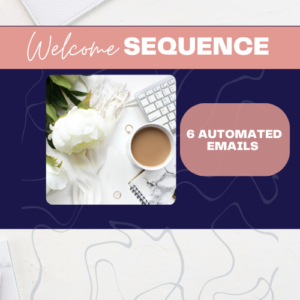
DIY Welcome Sequence
$30.00 -

Email Club – Monthly
$30.00 / month -

Email Startup Package
$500.00